
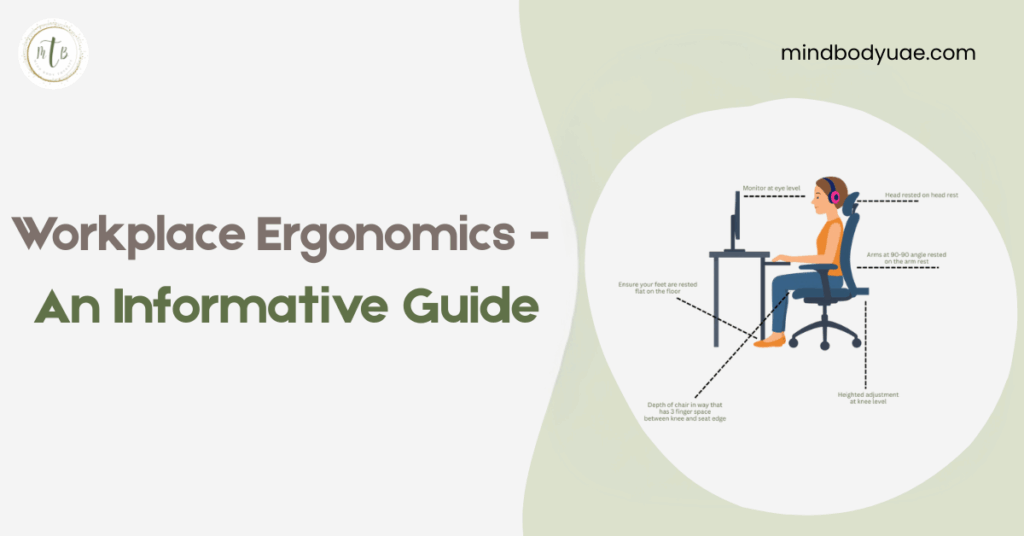
The Problem — Pain is Real, Even in Busy Offices
Many corporate employees in the UAE experience persistent neck, shoulder or lower-back pain. Recent studies show high rates of work-related musculoskeletal disorders in many professions, underlining that pain is common.
Even though ergonomic chairs, adjustable desks, and training are increasingly available, the simple act of “following ergonomics” rarely becomes part of a daily habit. Why? Because the problem isn’t only about equipment, but it is about how people actually think and behave at work.
Why Knowledge Alone Does Not Change Behaviour
Habit and Comfort Bias
Most of us sit in our office chairs as what feels normal to us. Then, a slightly slumped posture or a laptop at the wrong height becomes regular as we feel comfortable after months or years, and habits are hard to break. Research on habit formation shows that, if we want to adopt a new behaviour, it requires consistent repetition and we need to genuinely follow the habits, which will take weeks to months. That’s why a one-off training session rarely changes long-term behaviour.
The “I Will Do It Later” Trap (Present Bias)
Ergonomic fixes often promise benefit later (less pain in months), while the discomfort of changing position is immediate. Behavioral science calls this present bias because we discount future gains and prefer easy present choices. Small wins that reward people immediately (quick relief, better comfort right away) help flip this trade-off.
Poor Fit – One-Size-Fits-All Solutions Fail
Generic recommendations, such as sit straight, adjust your chair, often ignore individual bodies, tasks, and workflows. If an adjustment makes someone less productive or feels awkward, they will abandon it. Studies of ergonomic adoption repeatedly show that solutions must be customized to fit the job and the person, or else they won’t be used.
Organizational And Social Barriers
Time Pressure and Productivity Myths
Software professionals often work under pressure, and they need to meet their clients’ deadlines. These software professionals sit in one place for longer time, and their work involves some repetitive movements. These factors lead to reduced productivity and increased sick leaves from employees.
Lack of Ownership and Follow-Through
When ergonomics is “HR’s job, line managers and staff assume it’s someone else’s problem. Research shows that adoption improves when workers are themselves involved in designing changes and when managers support and model ergonomic behaviours. When employees and HR managers work together to help choose solutions, they make a difference.
What the Evidence Says?
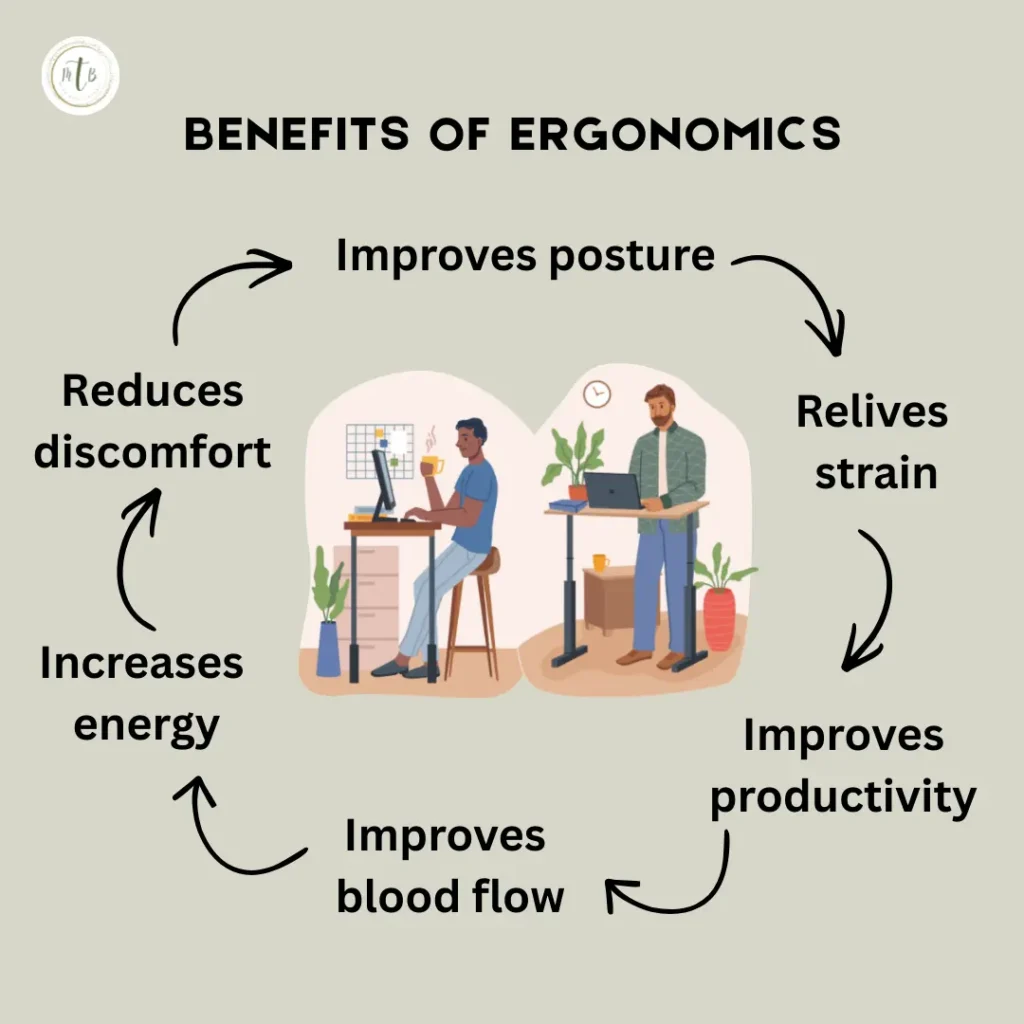
Systematic reviews and meta-analyses show that ergonomic interventions can reduce musculoskeletal pain and improve the quality of life. When changes combine equipment, training, and follow-up. However, the effects are smaller when interventions are isolated or not tailored. In short, ergonomics works best as a program, not a one-off solution.
That is great news for employers: investment pays off when programs are designed for real workplaces and include measurement, feedback, and ongoing support.
Practical Steps That Actually Increase Compliance
Here are evidence-informed, practical steps that Dubai corporates can use.
1. Co-design With Your Teams
Invite staff to test and choose solutions. When people help pick the chair, set the height, or select a screen setup, they’re far more likely to keep using it. When offices adopt collaborative ergonomics, they have a higher chance of implementing the changes.
2. Start with Micro-Changes and Immediate Wins
Instead of a long theoretical lecture, it is better to give 2–3 practical tips that show immediate comfort gain (monitor height, chair depth, short posture cue). Immediate relief creates a reward loop that supports habit formation.
3. Make Ergonomics a Daily Habit
Embed 2-minute posture checks into daily rituals (team huddles, coffee breaks) and equip managers to model them. Protect short “active minutes” in calendars; remove the perception that ergonomics competes with productivity.
4. Measure, Feedback, Repeat
Use simple KPIs: number of people trained, short pain surveys, and quick workstation audits. Share small wins (e.g., “30% fewer neck complaints in Team A this quarter”). When employees see these real-life statistics, it motivates them to follow habits.
5. Use Behavioural Nudges
Set up prompts (desktop reminders, stickers on monitors, short guided micro-breaks) and reward consistency. Small incentives or recognition for teams that improve posture habits can accelerate adoption.
Quick Checklist: What HR or Team Leads Can Do This Week
- Run a 15-minute demo for a team showing 3 quick adjustments.
- Ask one team member to co-lead a workstation audit next week.
- Put a 2-minute “stand & stretch” slot in daily meetings.
- Start a simple pain log (one question) to measure change.
If you want ready-to-run programs, MindBody UAE runs hands-on corporate ergonomics sessions tailored to busy Dubai teams practical, short, and focused on lasting behaviour change.
Final Thought
Ergonomics is not just about chairs or keyboards, but it is about people, habits, and the workplace systems that support them. In Dubai’s fast-moving corporate life, the smartest ergonomics programs are those that make healthy choices easier, faster and socially normal. With the right mix of co-design, quick wins, and manager support, pain becomes something you solve, not something you accept.
Take the Next Step
Before you buy another chair or standing desk, find out what’s really holding your team back.
💡 Download our free e-book for real corporate case studies on how awareness turned into action.
📞 Book a free discovery call to learn how we can customize an ergonomic wellness plan for your company.